 30-day money back guarantee
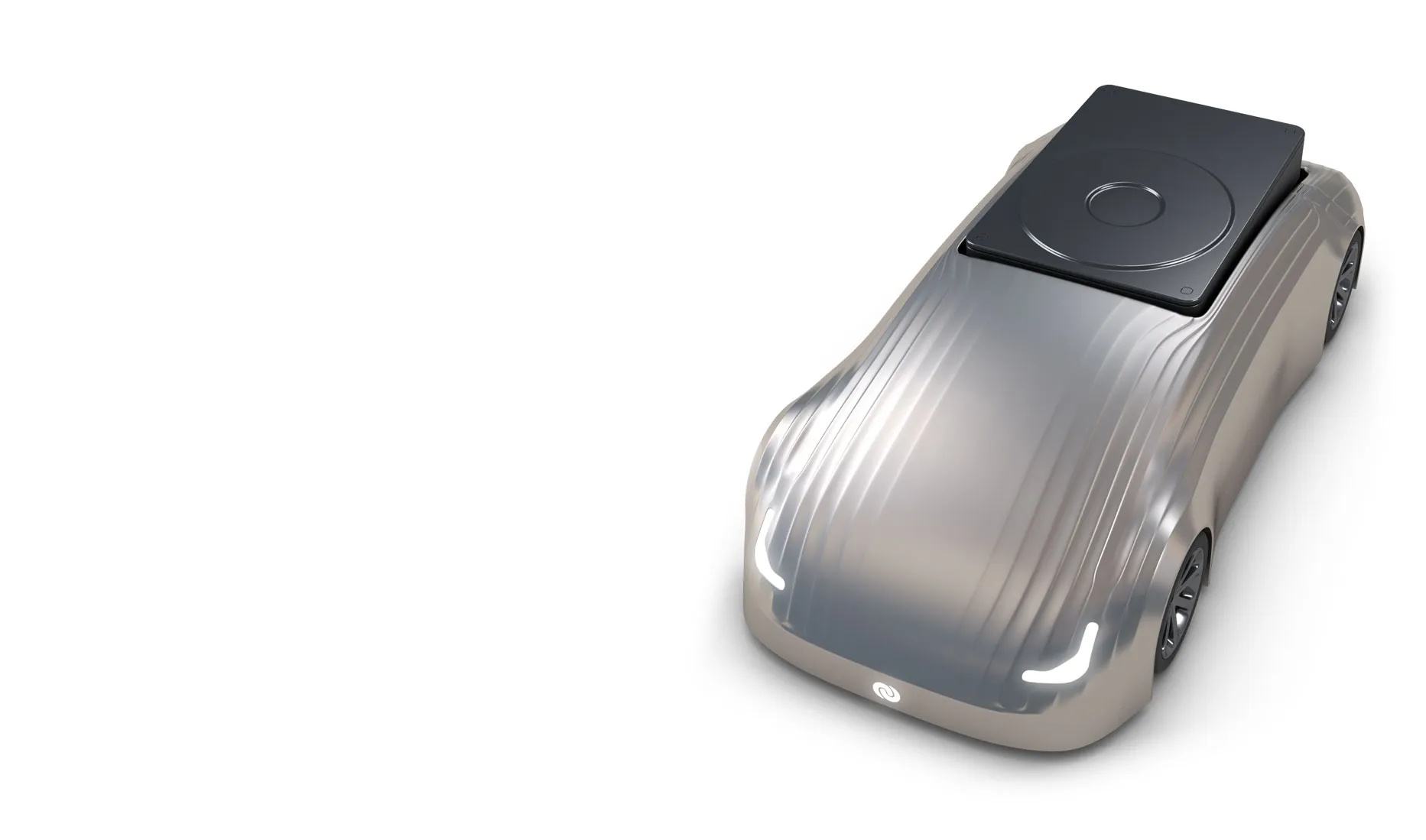
Maximum performance for your server infrastructure
In today’s enterprise networks, performance, stability, and availability are mission-critical. O&O Defrag Server Edition ensures that your servers and workstations continue to operate at optimal speed. Intelligent, automated optimization processes eliminate fragmentation and performance losses before they have a noticeable impact on your business processes. The result: faster access times, reduced system load, longer hardware life and a sustainable reduction in operating costs – for an IT infrastructure that grows with your company and reliably delivers top performance.
Performance optimization in enterprise operations
- Improved system response for servers and workstations through optimized data storage
- Faster access times to frequently used files, applications, and data assets
- Reduced I/O latencies for typical office, ERP, and file server workloads
- More stable performance over longer runtimes without slow down
- Optimization of boot and boot times on workstations and servers
- Noticeably lower delays in file operations in heavily used shares
- Improved performance with regular updates, patch cycles and software distribution
- Support for environments with many small files as well as large data archives
Identify and sustainably reduce fragmentation
- Analysis of the degree of fragmentation of files, folders and volumes
- Defragmentation of fragmented files to reduce unnecessary read access
- Merge distributed file blocks to improve sequential access
- Optimize file placement to minimize future fragmentation
- Continuous optimization in the background to avoid further performance degradation
- Stabilize performance even with sustained data growth
Optimized for HDD and SSD environments
- Support for classic hard disks (HDD) in servers and workstations
- Support for modern solid-state drives (SSD) with customized optimization strategy
- Automatic differentiation between HDD and SSD media for appropriate procedure
- Gentle optimization to reduce unnecessary writes to SSDs
- Performance-oriented optimization for HDDs through improved data locality
- Optimize mixed storage environments with different drive types
O&O SOLID methods for SSDs
- SSD-specific optimization to stabilize performance in long-term operation
- Resource-saving processes to reduce write amplification effects
- Optimization of free areas to support internal SSD management
- Maintain stable write performance on heavily used SSD systems
- Automatable SSD optimization without manual intervention in day-to-day business
O&O IntensiveOptimize for maximum system performance
- Disk depth optimization for maximum efficiency
- Improved data organization for faster access to frequently used files
- Optimized structure for better system response to peak loads
- Stabilize storage performance during consistently high I/O load in server operation
Automation and "Install and That's All"
- Automatic optimization according to the principle of "install and run"
- Autonomous operation without regular manual maintenance by administrators
- Constant optimization in the background to ensure sustainable performance
- Reduce routine administrative tasks in larger environments
- Optimizations can be planned in such a way that productive operations are not impaired as much as possible
Task planning and flexible control
- Timed defragmentation according to maintenance windows and company policies
- Plannable optimizations outside of business hours to minimize disruptions
- Customizable schedules per system or per volume based on usage and load profile
- Regular analysis and optimization cycles for long-term stable performance
- Fine-tuned optimization based on disk type, data volume, and priority
Optimization of virtual environments
- Optimization capabilities for virtualized workloads and storage-based bottlenecks
- Stabilize virtual machine performance with optimized disks
- Improved I/O efficiency on hosts running multiple VMs in parallel
- Suitable for environments where storage is the main brake on virtualization
- Support for typical VM file formats and data-intensive VM scenarios
Data management and operational security
- Improved data structure to simplify backup, restore, and maintenance processes
- More stable system states through reduced storage fragmentation
- Fewer performance outliers with rapidly growing data sets
- Support of continuous operation through predictable, controlled optimization
Hardware lifespan and sustainability
- Reduced head movements in HDDs due to better file arrangement
- Reduction of unnecessary operations to protect storage media
- Longer data carrier life cycles due to reduced mechanical and logical stress
- Reduce premature hardware replacement costs in larger installation bases
- Better predictability of storage investments through more stable performance over time
Reporting, analytics and transparency
- Detailed drive and optimization status and analysis information
- Traceability of the optimizations carried out for IT documentation
- Evaluability of benefits over time through recurring metrics and reports
- Support in the internal communication of maintenance and optimization measures
Use in remote and hybrid work environments
- Ensuring stable performance even at remote workstations
- Reduce performance issues that make remote support difficult
- Supporting productive workflows with responsive systems
- Reduce disruption from sluggish devices for mobile and hybrid teams
Integration into business processes
- Suitable for standardized IT maintenance processes and lifecycle strategies
- Support for performance baselines and recurring optimization routines
- Helping to reduce total cost of ownership through less manual maintenance and longer hardware runtimes
- Optimization as a permanent part of a stable server and workstation strategy